

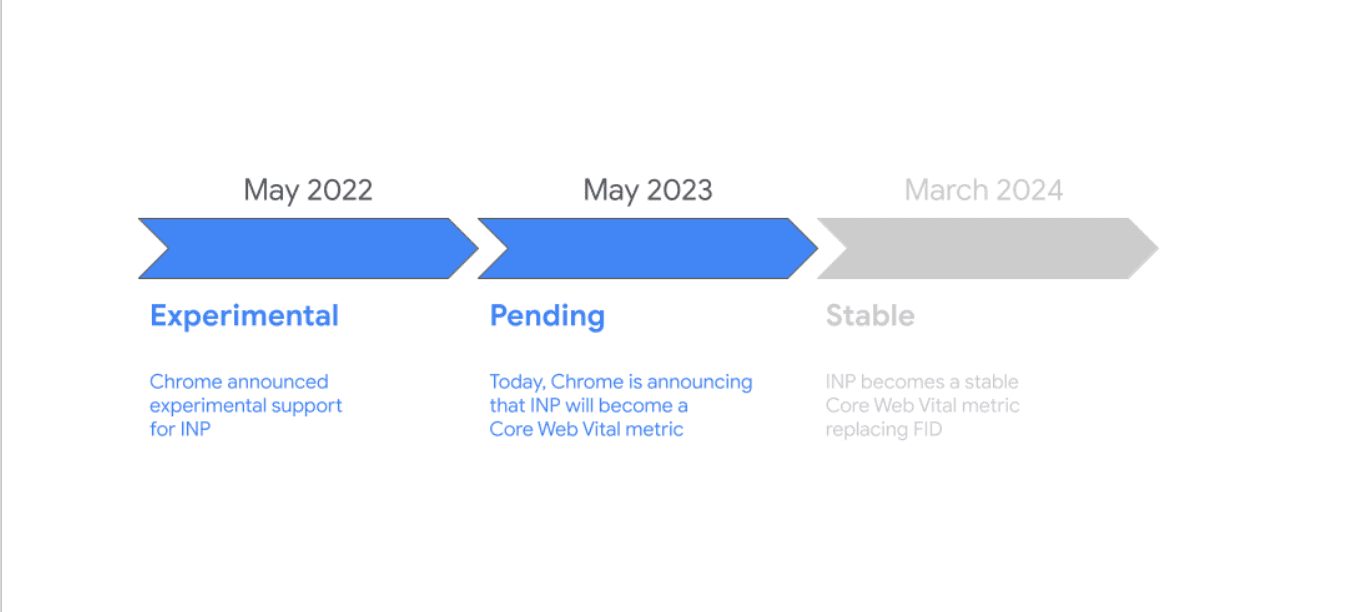
Web Performance Metrics: Why INP Is Your Most Practical UX Performance KPI
Interaction to Next Paint (INP) is the Core Web Vital that measures real interface responsiveness. Learn why it is the most practical UX performance KPI.
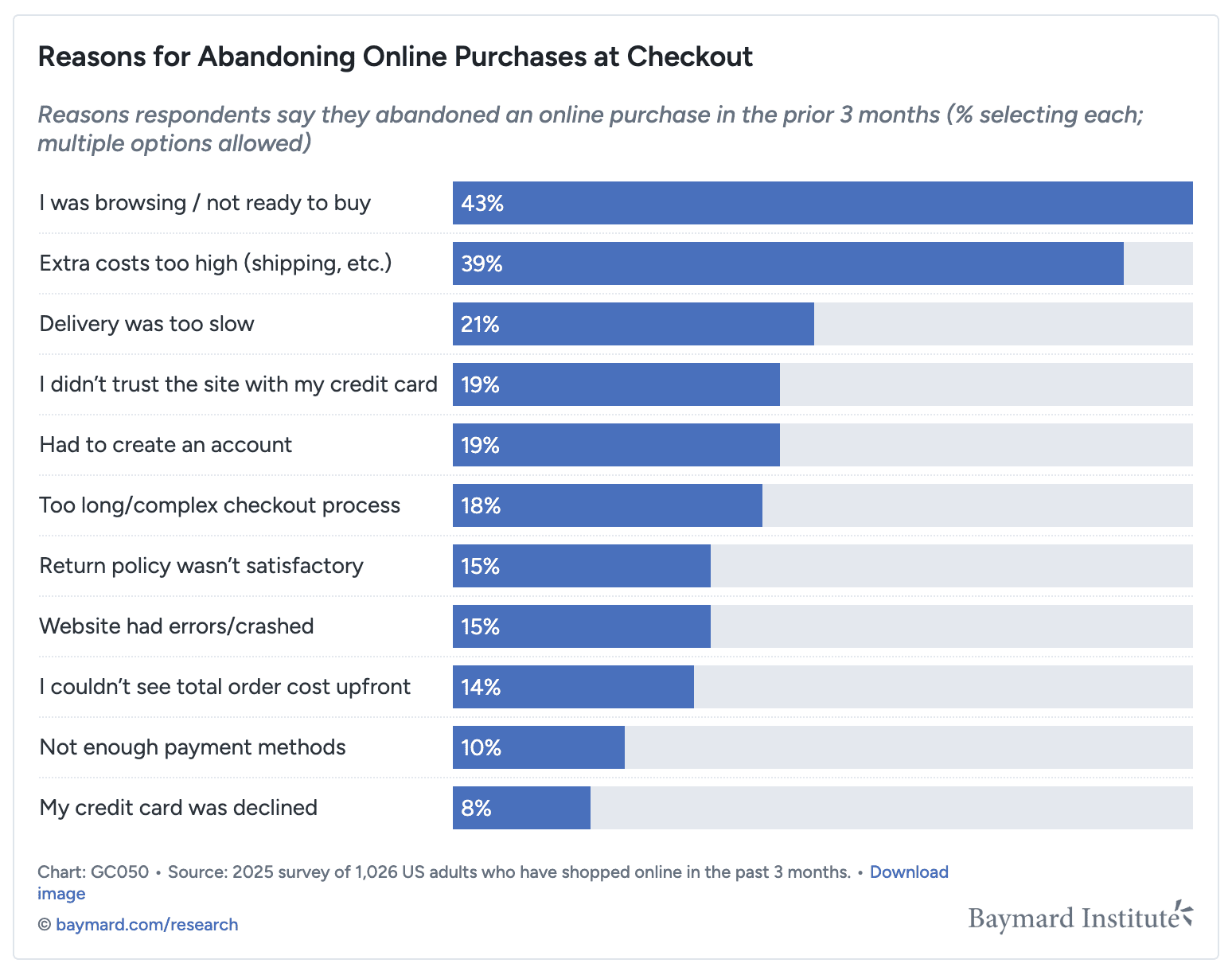
Checkout Friction Audit: The 10 Issues Behind 70%+ Cart Abandonment
Cart abandonment averages over 70%. This checkout friction audit explains the 10 usability issues responsible for most lost ecommerce revenue and how to fix them.

Agentic AI UX Design: Proactive, Private, and Human-in-Control Principles for On-Device AI Agents
Agentic AI is redefining UX. The next generation of AI interfaces won’t succeed by being faster — they’ll succeed by being more intentional, transparent, and human-centered.

Beyond the Blue Link: UX Patterns for Google’s AI Overviews, AI Mode & Answer Engines
The blue link isn’t dying — it’s evolving. As AI Overviews redefine how users search, the real opportunity isn’t winning the answer, but designing what happens next. This article explains how post-answer UX, interactive content, and new SEO metrics are shaping the future of search.

Dark Patterns UX Risk: What the Amazon Case Signals for UX in 2026
Most merchants treat 3DS2 and checkout speed as separate problems. They aren’t. This article shows how slow interaction performance (INP) amplifies 3DS2 friction—causing “broken” checkout experiences and higher drop-off. Learn the optimization patterns that improve responsiveness, reduce challenge pain on mobile, speed up frictionless flows, and protect conversion while reducing fraud.
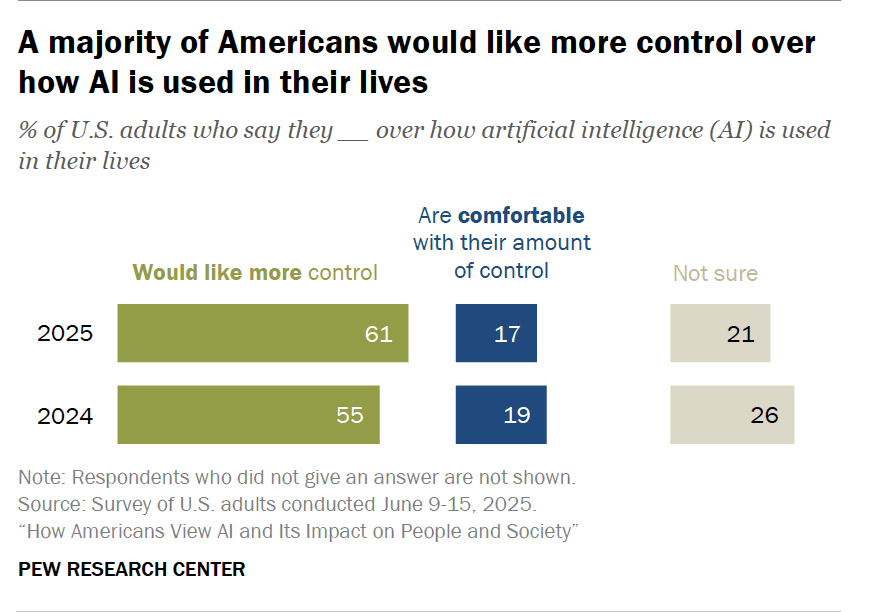
Explainable Personalization: The Fastest Way to Stop ‘Creepy’ UX Is to Show Your Math
Personalization becomes uncomfortable when it’s accurate but not understandable. This article explains how “showing your math” turns eerie recommendations into trusted service by revealing the input signals, the logic behind the suggestion, and the controls users can change. Explainability doesn’t reduce personalization—it protects data quality, prevents user gaming, and creates a trust flywheel.