

The Personalization Paradox: When Tailored UX Turns “Creepy”

When users mistake algorithms for humans, personalization turns creepy. From fake searches to digital protests, discover how mistrust erodes real UX.
Dark Patterns vs. Nudging: The UX Fork in the Road

Dark patterns trick users and spike short-term metrics—but they erode trust, drive churn, and inflate acquisition costs. This article shows how replacing manipulative tactics with thoughtful nudges can improve onboarding, boost retention, and strengthen your brand’s reputation over the long term.
Core Web Vitals and UX

Core Web Vitals are more than performance scores—they’re the backbone of great UX, lower bounce rates, and stronger SEO. This guide shows how to measure, prioritize, and fix the key metrics (LCP, INP, CLS) to improve your site’s speed, stability, and responsiveness.
The Evolution Timeline: From ‘AI Will Replace Designers’ to ‘Co‑Pilot Only’

Two years ago, designers feared AI would replace them. Today, it’s clear: AI isn’t the designer—it’s the co-pilot, speeding up tedious tasks while humans handle creativity, critique, and user empathy.
Stop Letting Churn Happen in Silence: Start Mining the Cancellation Path
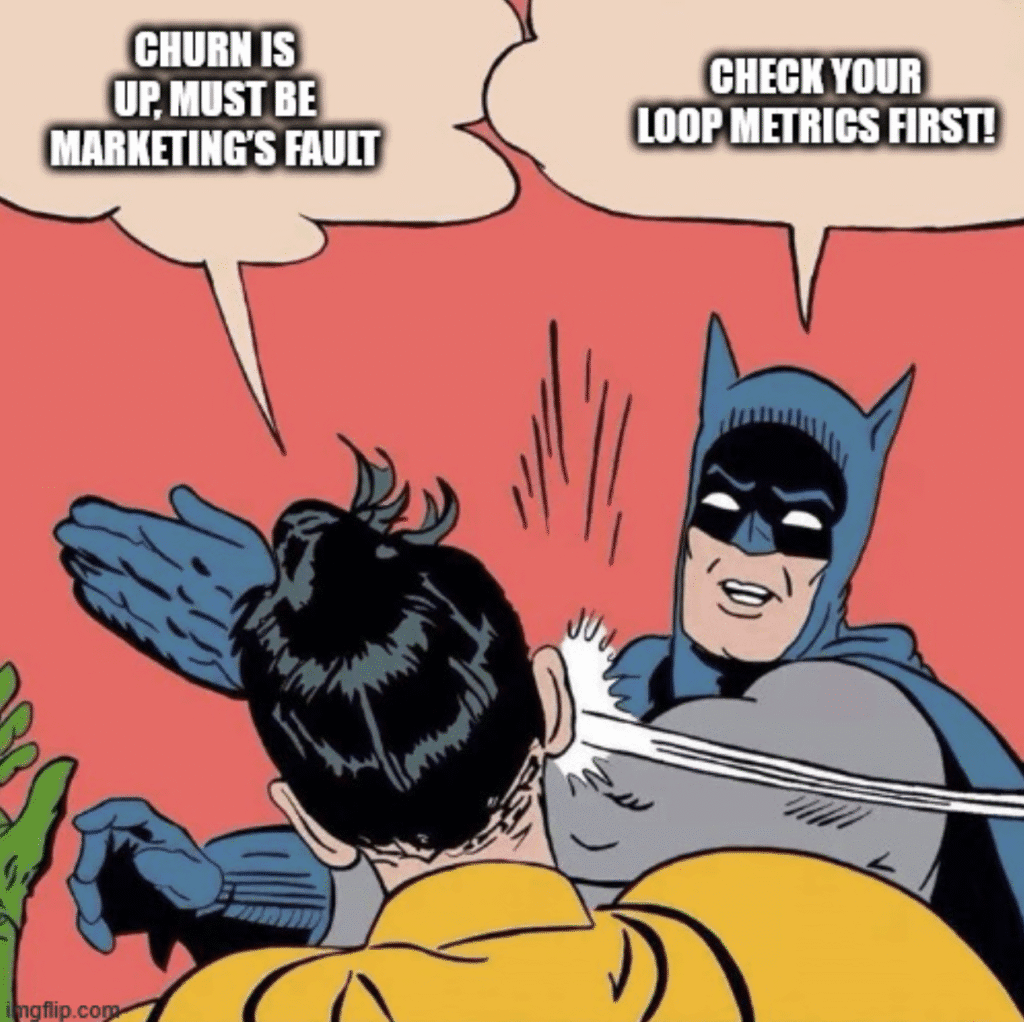
Churn rarely starts with a click—it starts with hesitation. Discover how mining the cancellation path lets you detect, intercept, and prevent silent user loss.
The Day-2 Cliff Is Killing Your SaaS Onboarding (…and You’re Probably Not Tracking It)

Your biggest churn risk isn’t who skips the welcome tour—it’s who bails on Day 3. Discover how tracking the Day-2 Cliff helps you rescue users before they disappear.
E-Commerce Micro-Friction: The Conversion Killer You’re Not Measuring (…But Should Be)

Your biggest conversion killer? Not bugs—stacked micro-frictions. Learn how to spot and fix them before they drain your revenue.
Stop Counting Clicks: CRM Fatigue Is a Rework Loop Problem

Your CRM doesn’t need fewer steps—it needs fewer repeat steps. Learn how rework loops frustrate users, hurt adoption, and how to fix them without a redesign.
From Cost Centre to Compounding Advantage
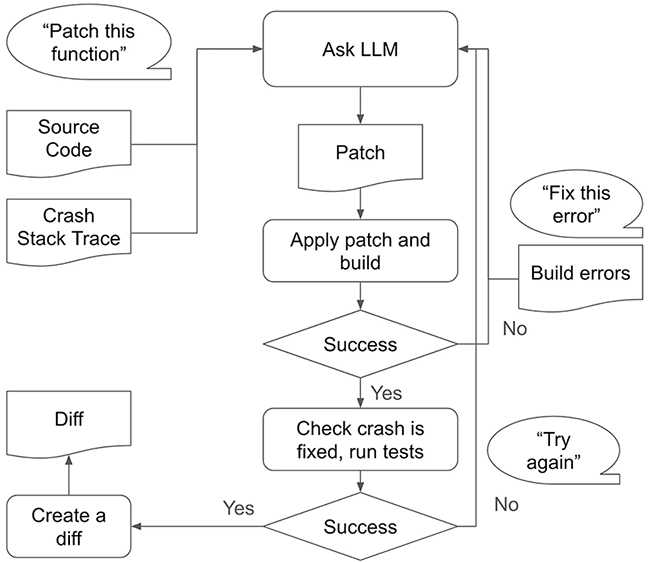
Smart teams in 2025 treat bugs not as tech debt, but as data—using each one to learn, automate, and build a compounding advantage in speed, quality, and resilience.
Fix Bugs Faster—Without the Fire Drills

How long does it take to: 1) detect a bug, 2) determine if it’s new or known, 3) reproduce it, 4) fix it, 5) validate it in QA, and 6) validate it in production, 7) discuss it, 8)update ticket along the way?